
Manual Osteopathy in Ottawa’s Glebe
Hands-on care for pain, stiffness, posture strain, and recurring movement patterns.
Manual Osteopathy for real-life goals: comfort, movement, recovery, confidence, and care plan guidance.
Wellness is waiting.New patients welcome.

Understand the pattern behind your pain
Manual osteopathy in Ottawa’s Glebe
Manual osteopathy looks beyond the area that hurts to understand how your body is moving, loading, bracing, and compensating. Your clinician may assess posture, joint mobility, muscle tension, breathing mechanics, and how your symptoms change with movement or position.
Treatment uses gentle, hands-on care to reduce strain, support easier movement, and give you practical starting points between visits. This approach may help when back pain, neck tension, jaw discomfort, headaches, sciatica, or posture-related symptoms keep returning.
Who manual osteopathy is for
Osteopathy may be a strong fit when pain, stiffness, or recurring flare-ups seem connected across more than one area of the body.
Busy professionals
Long sitting, stress, and desk work can cause pain. Osteopathy explores how posture, mobility, and compensation may contribute.
Active people
If stiffness or recurring flare-ups affect activity, osteopathy can assess how your body is adapting and where movement may be losing efficiency.
Recurring pain patterns
When symptoms improve and then return, assessment-led care can identify whether load, posture, or compensation is involved.
What we help with
What manual osteopathy can help with
Many people choose osteopathy when pain, stiffness, and movement restriction overlap. If your concern is not listed, an assessment can still help clarify whether osteopathy is the right starting point.
Is manual osteopathy the right service?
Choose osteopathy when you want hands-on care that looks beyond one sore spot and considers how your body is moving, adapting, and compensating.
Choose osteopathy
Choose osteopathy when symptoms feel connected across posture, mobility, stiffness, guarding, or recurring compensation patterns.
Compare your options
Massage may fit tension, soreness, or stress load. Physiotherapy may fit structured rehab, strengthening, or return-to-activity planning.
What to expect at your first osteopathy visit
Your first visit is designed to understand your symptoms, begin hands-on care when appropriate, and give you a clear plan.
- We begin with your symptoms, health history, goals, comfort level, and what has or has not helped so far.
- Your clinician assesses movement, posture, mobility, and areas of restriction or compensation.
- Hands-on treatment usually begins during the first appointment and may include gentle joint, soft tissue, fascial, or mobility-based work.
- Before you leave, we explain what we found, what changed during the session, and what follow-up rhythm may make sense.
- You may receive simple home-care guidance to help your body maintain progress between visits.
Start with a clear first visit, then adjust the plan based on what your body and goals need next.
Book Manual OsteopathyTransparent pricing
Manual Osteopathy fees and booking
Transparent osteopathy fees, clear appointment options, and detailed receipts for insurance submission where applicable.
Osteopathy, 75 min
Hands-on manual care for pain, stiffness, mobility, and recurring movement patterns.
Osteopathy, 60 min
Manual care for pain, stiffness, mobility limits, and recurring movement patterns.
Osteopathy, 45 min
Focused follow-up for hands-on care, reassessment, and ongoing support.
Osteopathy, 30 min
Short follow-up for focused support, reassessment, and care-plan progression.
What progress can look like
Progress depends on how long the pattern has been present, how your body responds to hands-on care, and what stressors keep feeding the concern between visits.
Early clarity
The first visits often focus on reducing irritation, improving comfort, and helping you understand what may be driving the pattern.
Better tolerance
As symptoms settle, care may shift toward improving mobility, tolerance, and confidence with the movements that usually trigger flare-ups.
Longer-term support
Some people need a short focused plan. Others benefit from periodic support when symptoms have been present for a long time.
Our approach
Techniques we may use
Every plan is individualized. Your clinician will choose techniques, tools, or guidance based on your goals, comfort, and what would make the appointment most useful.
Meet your clinicians
Choose a manual osteopath who can help you understand how posture, mobility, tension, and compensation may be shaping the way your body feels and moves.
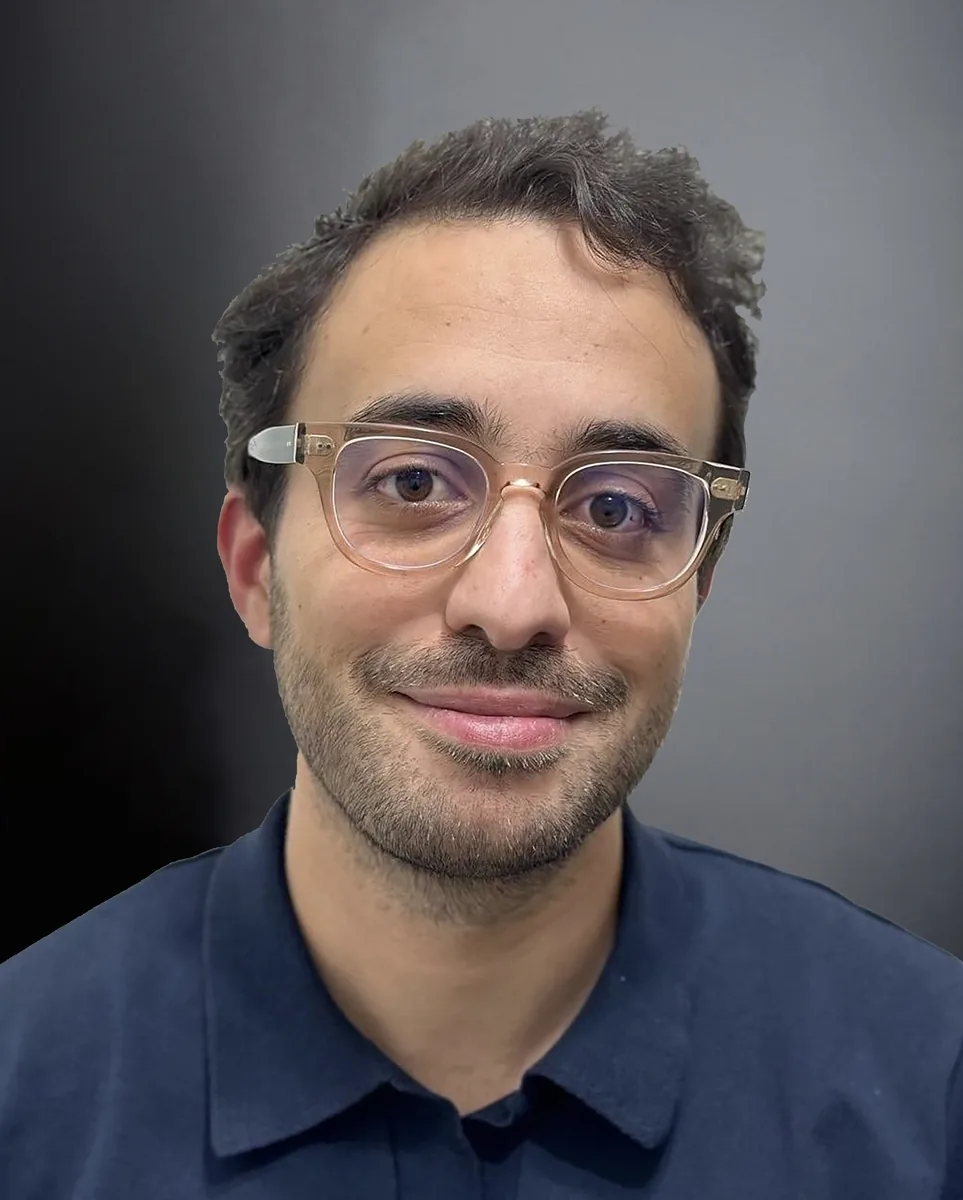
Tarek combines physiotherapy, massage, and osteopathy concepts to support comfort and long-term mobility. His care is well suited to patients who appreciate a broad clinical perspective and practical guidance for moving with more confidence.
Tarek may be a strong fit if you want hands-on care that connects symptoms with posture, mobility, recovery habits, and the way your body compensates through daily life.
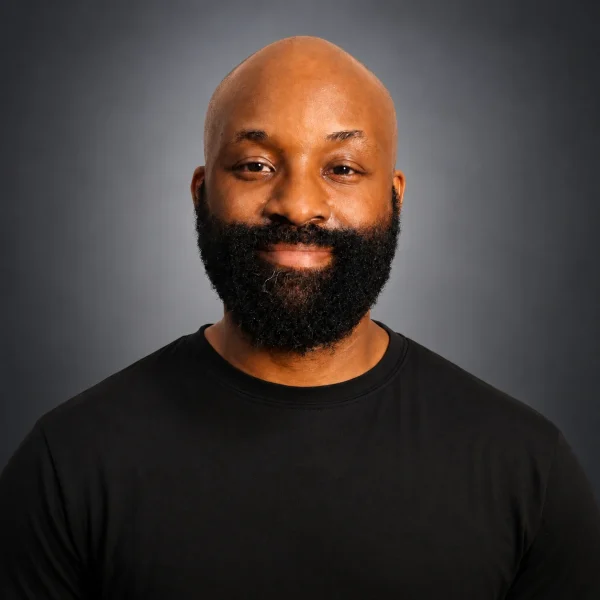
Samuel combines hands-on manual therapy with personalized treatment plans designed around each patient's concerns and goals. Whether you're experiencing pain, stiffness, or difficulty moving comfortably, his focus is on helping you improve mobility and get back to the activities you enjoy.
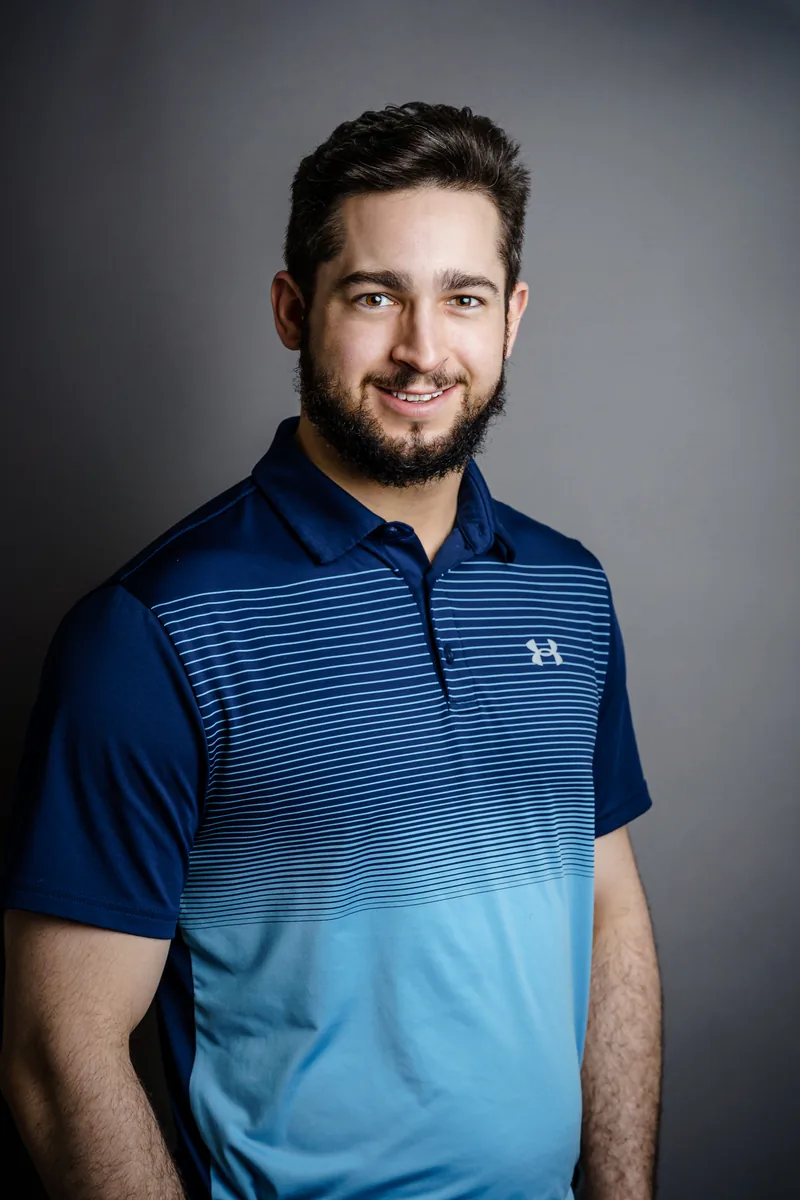
Liam’s own injury recovery inspired his commitment to clear care, collaboration, and long-term support. As clinic director, he focuses on helping patients understand their options while building a clinic experience grounded in trust and practical planning.
Liam may be a strong fit if you want hands-on care that connects symptoms with posture, mobility, recovery habits, and the way your body compensates through daily life.
Manual Osteopathy reviews
See why Ottawa patients trust Glebe Osteopathy & Wellness for clear explanations, calm care, and sensible starting points.
“I have been treated by Liam for about 2 years now for pain management. I am totally astounded by the amount of pain relief I get following the treatments.”
“Liam listens and is very knowledgeable. He provides guidance to help you improve on your own and to maintain the treatment progress. Highly recommend.”
“It was my first time seeing an osteopath and Matthew was great! He explained everything he was doing and was super-knowledgeable and approachable.”
“Matthew was very professional and the therapy he provided was effective.”
“Adam Bourne is extremely talented, knowledgeable and effective. I highly recommend him.”
“Adam is an outstanding massage therapist! Regular treatments with him have kept me running, cycling, and healthy!”

Why choose GOW for osteopathy?
Care should make the next step clear, not leave you guessing what to do next. We look beyond the sore spot to understand the pattern behind your symptoms.
Clear reasoning: we explain what we are noticing, why it matters, and how it connects to your goal.
Practical planning: recommendations should feel realistic enough to use between visits.
Comfort-first care: we check in, adapt the approach, and keep consent part of the process.
Serving Ottawa neighbourhoods
Not sure manual osteopathy is the right starting point?
Choose the option that sounds closest to your goal and we will point you toward a strong first step.
Pick Your Focus
If pain, mobility, posture, or recovery goals overlap, we can help you choose a safe option and adjust after assessment.
Massage Therapy
This may help with tension, soreness, stress load, and recovery support.
Manual Osteopathy FAQs
Answers about manual osteopathy, service fit, appointment planning, whole-body assessment, and when another service may be the better first step.
No. You can book osteopathy directly online. Some insurers may have their own documentation rules, so check your plan if coverage is important.
Wear comfortable clothing you can move in. Your osteopath may ask you to move through simple positions during assessment.
Treatment should be comfortable and collaborative. We check in regularly and adjust technique, pressure, or positioning if something does not feel right.
That depends on your history, goals, and how your body responds. We will explain what we recommend after assessment.
Osteopathy is usually more assessment-led and focused on movement patterns and compensation. Massage therapy is often best for muscle tension, soreness, recovery, and relaxation.
It may help when recurring pain is influenced by mobility, posture, tension, or compensation patterns. We start with assessment to see whether it fits your concern.
Book manual osteopathy in Ottawa

Book manual osteopathy if you want hands-on care that looks at how your body is moving, adapting, and compensating, then gives you a clear plan for what to do next.
Wellness is waiting. Book your visit when you are ready.
Book online when you are ready, or contact us first for help choosing the safest option.