
Treatment Techniques and Care Approaches
See how hands-on care, movement, breath, and education are chosen around the person in front of us.
Explore the hands-on, movement, education, and self-care approaches that can shape a care plan.
Wellness is waiting. New patients welcome; start your journey today.
Assessment first
The technique is not the point — the fit is
Patients often ask which technique is best. The more useful question is what your body needs today, what feels safe, and which approach fits your comfort, goals, and response during care.
A technique should not be used just because it is available. It should be chosen because it supports the goal of the appointment and can be explained clearly.
- Comfort matters. Pressure, positioning, and pace can be adjusted.
- Reasoning matters. Your clinician should explain why an approach is being recommended.
- Plans can change. Care may shift as your body responds.
Our approach
Common ways care can feel during an appointment
These are examples of approaches that may be used when appropriate. Your clinician will explain what they are recommending and why.
How a clinician chooses what to try
Technique choice should follow assessment, consent, and clinical reasoning. Your clinician may choose a gentler approach, a more active approach, or a combination depending on what you are dealing with that day.
What brought you in
We consider your main concern, how long it has been present, what makes it better or worse, and what you want to return to.
What your body tolerates
Pressure, positioning, movement, and pace should be adapted to your comfort. A useful technique should not feel forced.
What the next step requires
Some goals need hands-on work. Some need strengthening, pacing, education, or referral support.
What we help with
Concerns these approaches may support
Technique choice varies, but these are common reasons people seek care.
Not sure which service uses which techniques?
Start with the service that best matches your main concern. Your clinician can adjust the approach after assessment.
Pick Your Focus
If you’re not sure what service is right for you, choose the option below that matches your goals. We will recommend the best fit.
Manual Osteopathy
A broader movement-based approach for pain patterns, mobility limits, posture strain, and recovery needs.
Comfort and scope
You should understand the approach before it happens
You should understand what your clinician is recommending, why it may help, and what options are available.
Care is not about proving tolerance. It is about choosing an approach that supports your goals while respecting your comfort and the limits of the service you booked.
- Consent is ongoing. You can ask questions or stop at any time.
- Pressure can be adjusted. More intensity is not always better.
- Referral is part of safe care. If another provider is more appropriate, we will say so.
Clinicians who adapt care to the person in front of them
Our team brings different training backgrounds together with one shared standard: clear care, comfort, and sensible starting points.
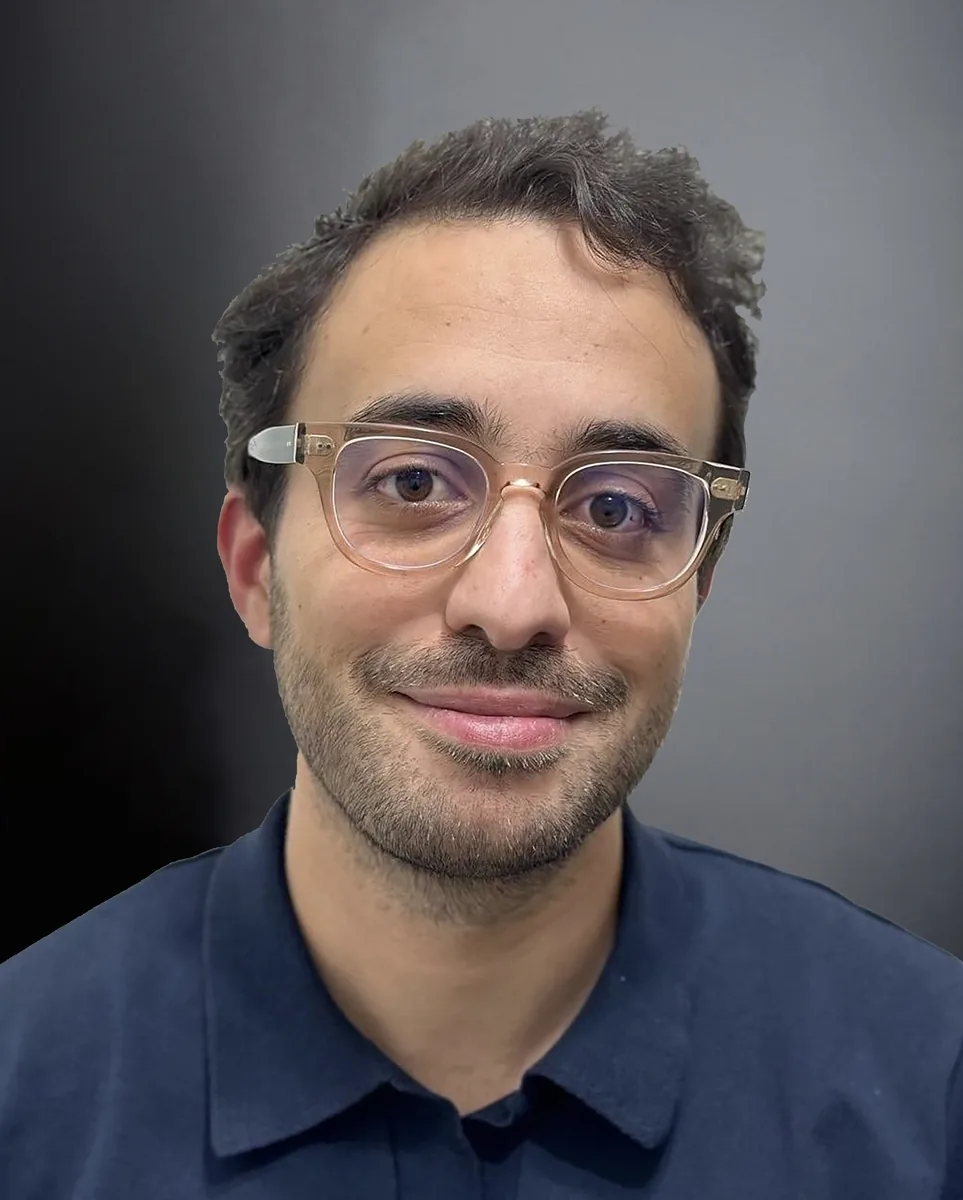
Tarek Baklouti
Manual Osteopath

Samuel Fadiya
Manual Osteopath

Liam Graham-Morton
Clinic Director - Manual Osteopath
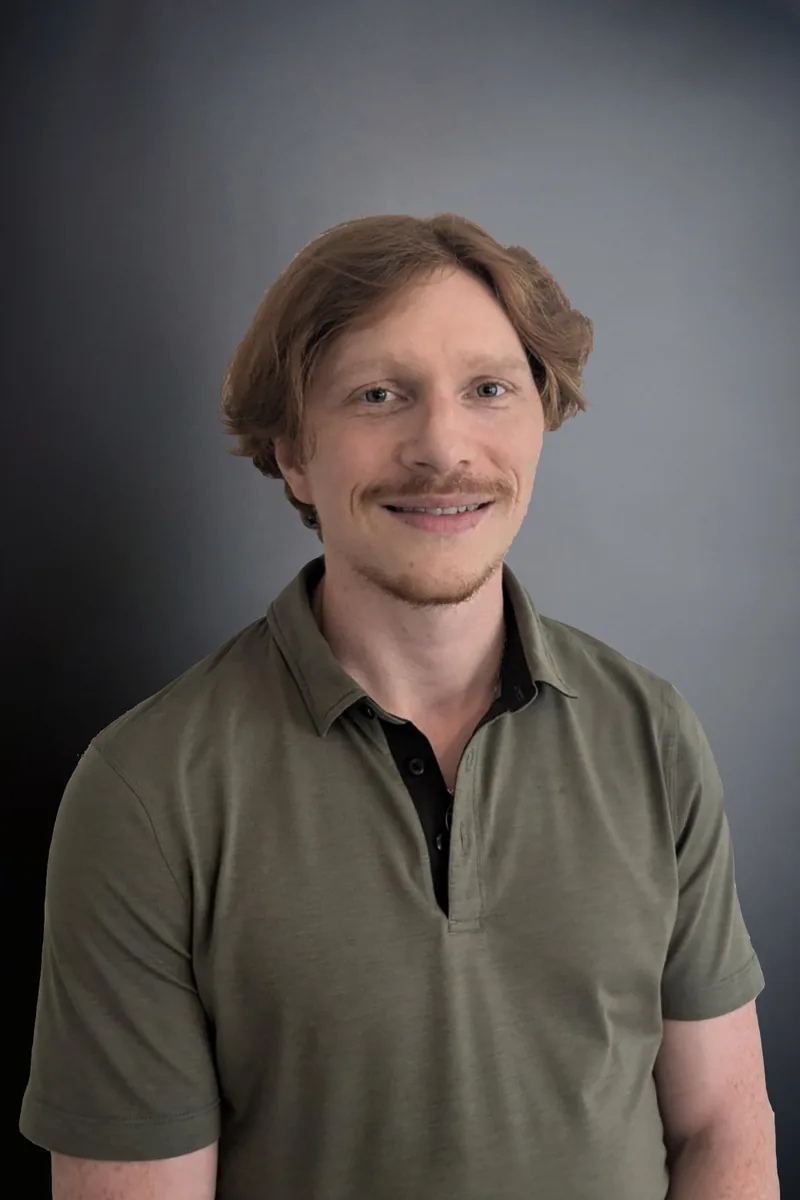
Mitchel Tunnell
Registered Massage Therapist
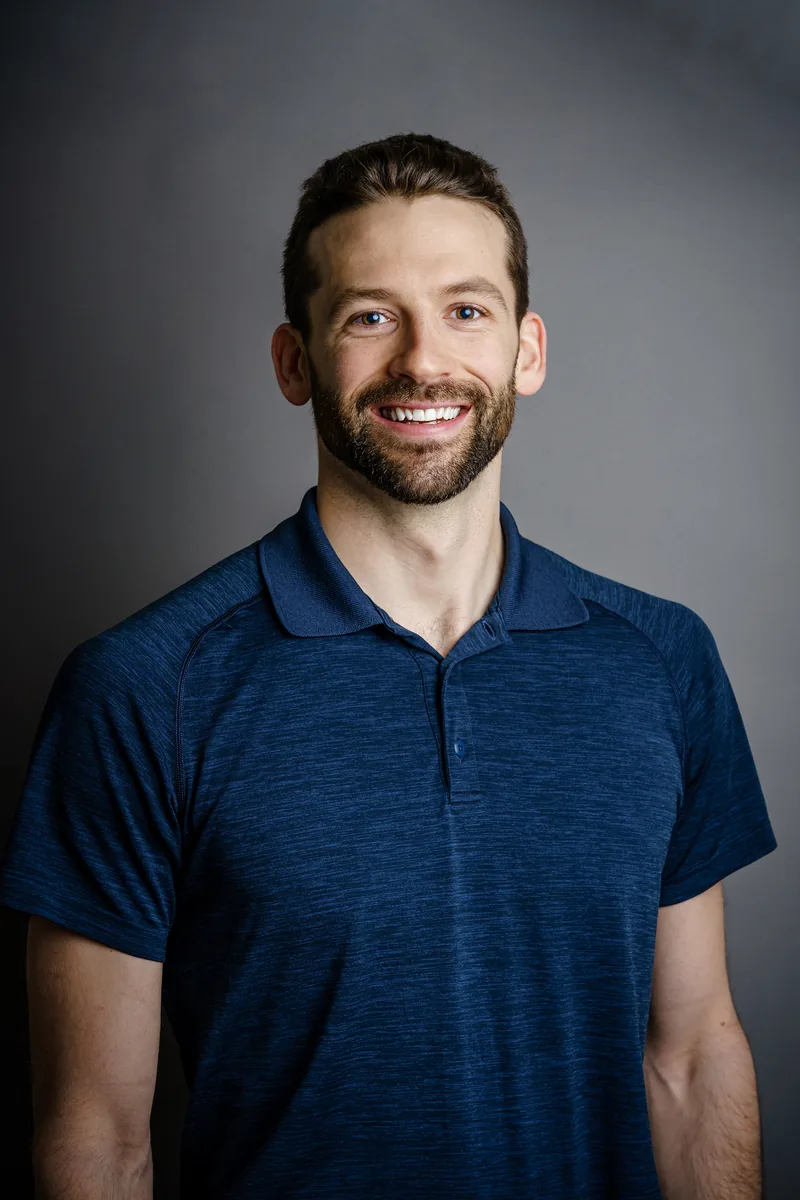
Adam Bourne
Registered Massage Therapist

Dylan McFarlane
Registered Massage Therapist

Meghan Hadfield
Yoga Therapist
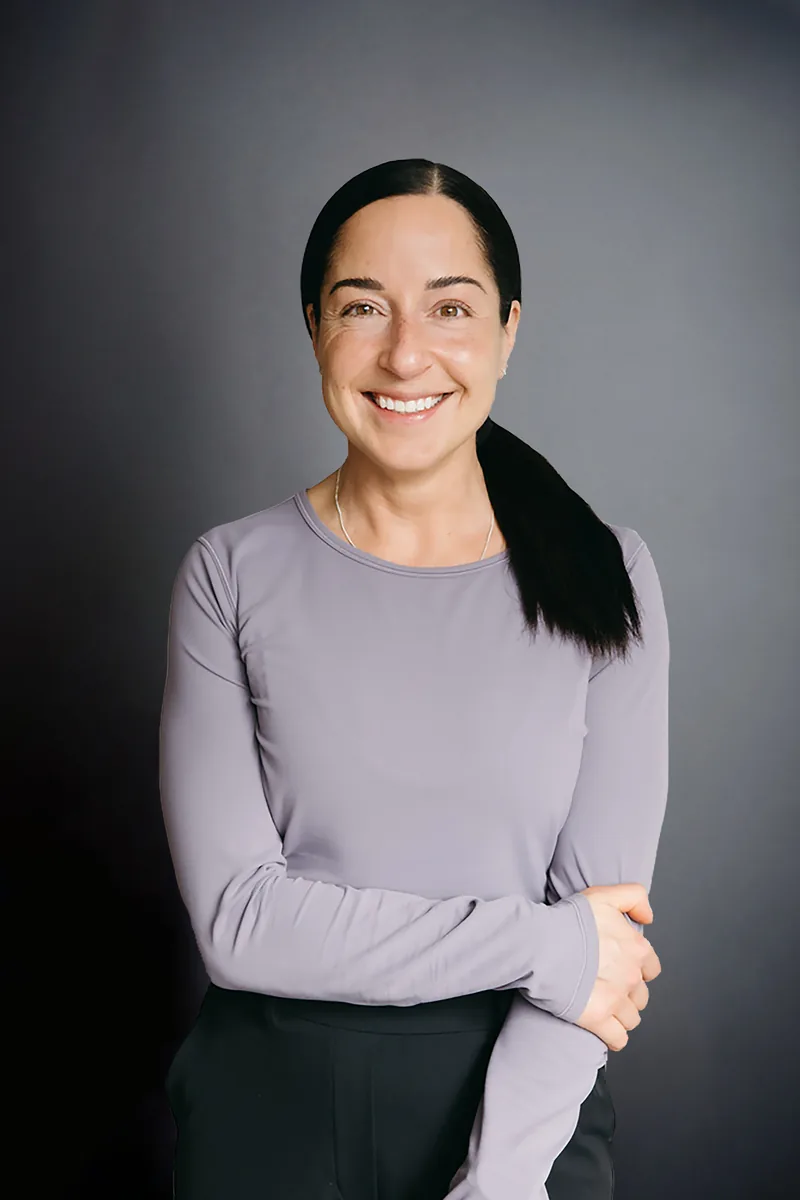
Jade Jollymore
Physiotherapist
Techniques FAQ
Answers about techniques, consent, comfort, pressure, movement, and what to ask if you are unsure about an approach.
No. Choose the service that best matches your concern. Your clinician will recommend techniques based on assessment and comfort.
Care should be adapted to your comfort. You can always ask to adjust pressure, position, or approach.
Not universally. The right approach depends on your history, goals, comfort, and response to care.
Yes. Your plan may change as symptoms, movement, confidence, or goals change.
Tell your clinician. Your preferences matter and should guide the plan.
Yes. Many visits include a combination of hands-on care, movement guidance, education, and planning.
Start with care that explains what is happening

Book the service that best matches your concern, then use the appointment to understand which approach fits your body, comfort level, and next step.
Wellness is waiting. Book your visit when you are ready.
Book online when you are ready, or contact us for help choosing the right starting point.